Views: 0 Author: Site Editor Publish Time: 2025-10-22 Origin: Site


Sleeping with headphones can be tricky, especially for side sleepers. Ever tried lying on your side with regular headphones? It's uncomfortable and can disrupt your sleep. Finding the right solution is essential for a good night's rest. In this post, you'll learn about choosing wireless headphones, supportive pillows, and other tips to ensure comfort while sleeping on your side.
Finding the right headphones is key for side sleepers who want comfort and great sound. Regular headphones can press hard against your ear or pillow, causing pain or making the device slip off. Here’s a guide to the best headphone types designed to help side sleepers enjoy their audio without discomfort.
Low-profile headphones sit snugly in or around the ear without bulking up. They reduce pressure by staying close to the ear’s shape. Specialized sleep headphones take this further — designed just for sleeping, they combine comfort and stability. For example, ultra-small earbuds made from soft silicone fit gently inside the ear canal, minimizing irritation and staying put all night.
Ozlo Sleepbuds® are a standout choice for side sleepers. These tiny earbuds are crafted for comfort and noise masking, not just music playback. They block distracting sounds like snoring or traffic, helping you fall asleep faster and stay asleep longer.
Key benefits include:
Ultra-soft silicone tips that adjust to your ear shape, making them comfy even when lying on your side.
Anchor-in-place wings that keep them secure, no matter how much you toss and turn.
Up to 10 hours of playback, covering a full night’s rest.
Built-in sensors that track sleep patterns and environmental noise for personalized insights.
Gentle alarms that wake you without disturbing others.
These features make Ozlo Sleepbuds® perfect for anyone who values restful sleep and wants a headphone solution that won’t cause discomfort or fall out.
Headband headphones solve side-sleeping issues by embedding flat speakers inside a soft, stretchy fabric band. This design spreads pressure evenly, eliminating the hard spots that press on your ear. They’re great for people who move a lot at night since the band stays snug and keeps the speakers in place.
Advantages include:
No pressure points on the ear.
Soft, washable fabric for hygiene.
Lightweight and flexible fit.
Good sound quality without bulky ear cups.
They work well for side sleepers who want a balance between comfort and decent audio performance.
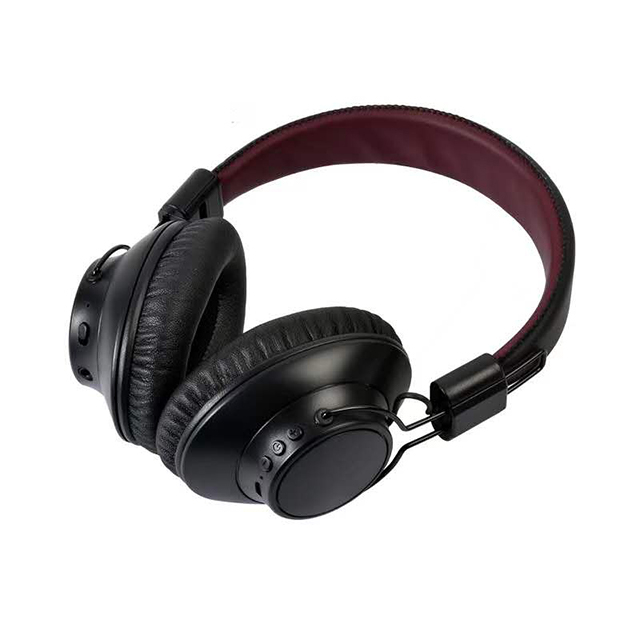
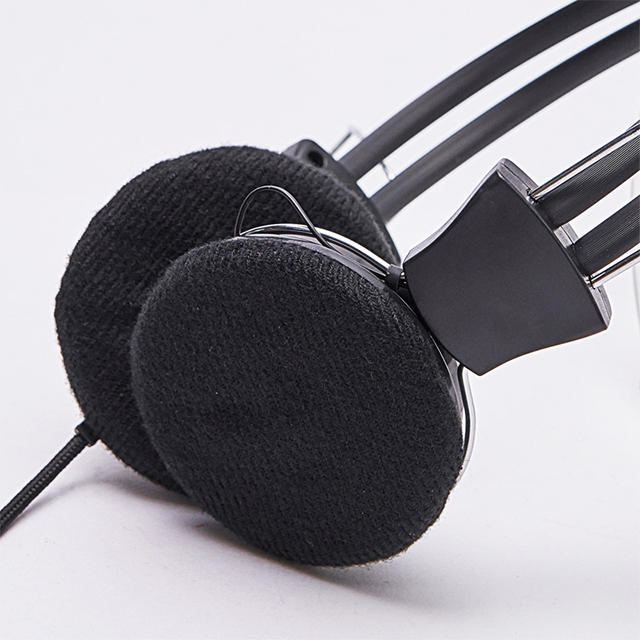
Traditional over-ear headphones are usually too bulky for side sleepers. However, flat over-ear headphones have ultra-thin ear cups that barely stick out. This slim profile reduces ear pressure and pillow interference while still offering rich sound.
Benefits of flat over-ear headphones:
Larger drivers for better sound quality.
Thin ear cups that reduce discomfort.
Padded cushions that mold to your head shape.
Adjustable headbands for a perfect fit.
These headphones suit side sleepers who want premium audio but need a design that won’t hurt their ears during the night.
Tip: When choosing headphones for side sleeping, prioritize models with soft, flexible materials and a low profile to ensure all-night comfort and secure fit.
Choosing the right pillow can make a big difference when sleeping on your side with headphones. The pillow supports your head and ear, reducing pressure on both the headphones and your ear. This helps prevent discomfort and keeps your headphones in place throughout the night.
Several pillow types work well for headphone users:
Soft Pillows: These allow headphones to sink slightly into the surface, reducing direct pressure on your ear. They are great for side sleepers using in-ear headphones because the ear can nestle comfortably without feeling squeezed.
Memory Foam Pillows: These mold to your head and neck shape, creating custom support. This tailored fit helps distribute weight evenly, which lowers pressure points around your ear and headphones. Memory foam is especially helpful for those using larger headphones, like flat over-ear models.
Pillows with Ear Holes: Designed specifically for headphone users, these pillows have a cutout or recessed area where your ear and headphones can rest. This design prevents the ear and headphone from being pressed against the pillow, offering maximum comfort for side sleepers.
Soft pillows cushion your head and absorb some of the weight that would otherwise press on your headphones. This reduces the chance of pain or irritation around your ear. Softness helps keep headphones from shifting or falling off by providing a gentle, supportive surface.
Memory foam pillows adjust to your unique head shape, allowing your ear and headphones to fit comfortably without extra pressure. This personalized support also helps maintain good neck alignment, which can improve overall sleep quality. Memory foam’s contouring effect helps prevent soreness and keeps headphones stable.
Ear hole pillows are a clever solution for side sleepers who wear headphones. The hole creates a dedicated space for your ear and headphone, eliminating direct compression. This design lowers the risk of discomfort and headphone damage. It’s especially useful for bulkier headphones or those who experience ear pain from pressure.
Tip: When selecting a pillow for side sleeping with headphones, choose one that balances softness and support, and consider pillows with ear cutouts to minimize pressure on your ears and gear.
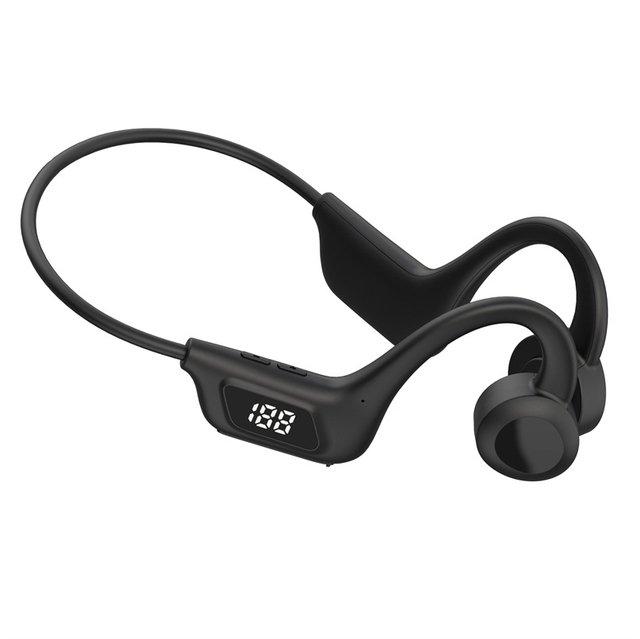
Wireless headphones offer a great solution for side sleepers. Without cords, you avoid tangling and pulling that wired headphones cause. This freedom helps you move naturally during sleep without interruptions.
Wireless models remove the hassle of cables that can get caught or tugged while you shift positions. They reduce the risk of waking up tangled or pulling off your headphones accidentally. Plus, many wireless headphones come with advanced features like noise cancellation, which helps block out distractions for better rest.
Another benefit is convenience. You can connect wirelessly to your phone, tablet, or other devices easily. This makes it simple to control your audio without fumbling for wires in the dark.
When choosing wireless headphones for sleep, battery life is crucial. Look for models that last at least 8 to 10 hours to cover a full night. You don’t want your headphones dying halfway through sleep.
Bluetooth connectivity should be stable and quick to pair. A strong Bluetooth connection prevents audio dropouts that could disturb your rest. Some headphones support the latest Bluetooth versions, which offer better range and less interference.
Comfort is king when sleeping with headphones. Wireless headphones designed for sleep are often lightweight and slim. This reduces pressure on your ears and head, especially important when lying on your side.
Look for models with soft ear cushions or flexible materials that adapt to your head shape. Lightweight designs prevent soreness and make it easier to wear headphones all night without discomfort.
Tip: Choose wireless headphones with long battery life and a lightweight design to ensure all-night comfort and uninterrupted sleep.
When using headphones while lying on your side, small changes in how you position your head can make a big difference in comfort. The goal is to reduce pressure on your ear and the headphones to avoid soreness or damage.
Try shifting your head toward the edge of your pillow. This creates a natural gap where your ear and headphones can rest without pressing hard against the pillow. Instead of sinking your ear deep into the pillow, this slight adjustment helps reduce direct pressure and keeps your headphones in place.
You can also experiment by slightly tilting your head forward or backward until you find a spot that feels comfortable and doesn’t cause your headphones to press uncomfortably.
Travel or neck pillows provide extra support around your head and neck. Placing one around your neck can elevate your head just enough to keep your ear and headphones from getting squished. These pillows are especially helpful if you use bulkier headphones or want to avoid flattening your pillow too much.
Some people find that U-shaped neck pillows or small, firm travel pillows work best. They keep your head stable and reduce side-to-side movement during sleep, which helps your headphones stay put.
If you notice discomfort from sleeping on the same side all night, try switching sides periodically. Alternating between your left and right ear gives each side a break from pressure. This helps prevent soreness and reduces the chance of headphones slipping off or causing irritation.
You might start by spending an hour or two on one side, then gently roll over to the other side. This simple habit can improve comfort and help you sleep more soundly without sacrificing your audio experience.
Tip: Position your head near the pillow’s edge and consider using a neck pillow to create space for your ear and headphones, reducing pressure and enhancing comfort while side sleeping.
Using two pillows side by side can be a clever way to get comfortable while lying on your side with headphones. This setup creates a space between the pillows where your ear and headphones can rest without being pressed down. It’s a simple, effective method that doesn’t require special gear but makes a big difference in comfort.
Place two pillows next to each other on your bed. When you lie down, position your head so your ear fits in the gap between the pillows. This gap acts like a cushion-free zone, preventing your ear and headphones from being squished by the pillow. The pillows still support your head and neck, keeping your spine aligned and your head stable. This setup reduces pressure on the headphones and your ear, allowing you to wear them longer without discomfort.
Flat over-ear headphones have thin ear cups, but even these can cause discomfort when pressed against a pillow. The dual pillow gap keeps the ear cups from getting compressed. This prevents pain and also protects the headphones from damage caused by constant pressure or bending. Plus, it helps keep the headphones in place, so they don’t slip off easily as you move during sleep.
In-ear sleep buds are small but can still feel uncomfortable if pushed too deep into your ear canal. The gap created by the dual pillows gives your ear room to breathe and stops the buds from being pressed too hard. This reduces irritation and ear soreness. It also helps keep the buds secure, so they don’t fall out when you toss and turn.
Tip: Position your head in the space between two pillows to create a pressure-free zone for your headphones, enhancing comfort and protecting your gear during side sleeping.
Sleeping on your side with headphones can be tricky. But a few extra tips help make it easier and more enjoyable.
A good fit is key. Headphones that are too tight can cause soreness, while loose ones might fall off. For in-ear buds, try different ear tip sizes. Most come with small, medium, and large tips. Pick the one that feels snug but not painful. Over-ear headphones should have adjustable headbands to match your head shape. Flexible materials also help because they bend and move with your ear, reducing pressure points.
If you’re new to sleeping with headphones, start slow. Wear them for short naps or while relaxing before sleep. This helps your body get used to the feeling. You can figure out if anything pinches or presses too much. Practicing also lets you test different positions or pillow setups to find what works best. Over time, wearing headphones will feel natural and less distracting.
Some headphones are designed just for sleep. These often include noise-masking sounds to block out snoring or city noise. Others track your sleep patterns and adjust sounds accordingly. Some even turn off automatically once you fall asleep, saving battery and avoiding disturbances. Investing in these specialized devices can improve comfort and help you get better rest.
Taking care of your headphones keeps them comfy and working well. Clean them regularly with a soft cloth to remove sweat, oil, and dirt. For in-ear buds, swap out silicone tips when they wear down. Store your headphones in a case to avoid damage. Handle cables and parts gently to prevent breaks. Well-maintained headphones last longer and stay comfortable night after night.
Tip: Test different ear tip sizes and headphone fits before bedtime to ensure all-night comfort and prevent disruptions during side sleeping.
Side sleepers can achieve comfort and quality audio by choosing the right headphones and using supportive pillows. Opt for wireless models and adjust sleeping positions to minimize pressure. Maintain headphones for durability and consider specialized sleep devices for enhanced rest. Progress Electronic Technology offers products like the Ozlo Sleepbuds® that provide unique benefits, ensuring a restful experience. Their innovative design combines comfort and functionality, making them ideal for side sleepers seeking uninterrupted sleep.
A: Wireless headphones are audio devices that connect via Bluetooth, eliminating cords that can tangle or pull during sleep. They are ideal for side sleepers due to their comfort and freedom of movement.
A: Look for wireless headphones with a lightweight design, long battery life, and soft materials. These features ensure comfort and uninterrupted sleep throughout the night.
A: Wireless headphones prevent tangling and accidental disconnection, allowing side sleepers to move freely without interruptions, thus enhancing sleep quality.
A: Adjust your sleeping position or use a supportive pillow to minimize movement. Consider headphones with secure fit features like anchor-in-place wings to keep them stable.
A: Wireless headphones may cost more due to advanced features like Bluetooth connectivity and noise cancellation, but their benefits for side sleepers often justify the investment.