Views: 0 Author: Site Editor Publish Time: 2025-10-03 Origin: Site


Ever wondered how wireless headphones can transform your audio experience? Noise-canceling headphones are revolutionizing how we listen by blocking out unwanted sounds. These innovative devices use technology to create a serene listening environment. In this post, you'll learn about what noise-canceling headphones are, how they work, and their benefits. Discover how they enhance focus, protect hearing, and improve sound quality.
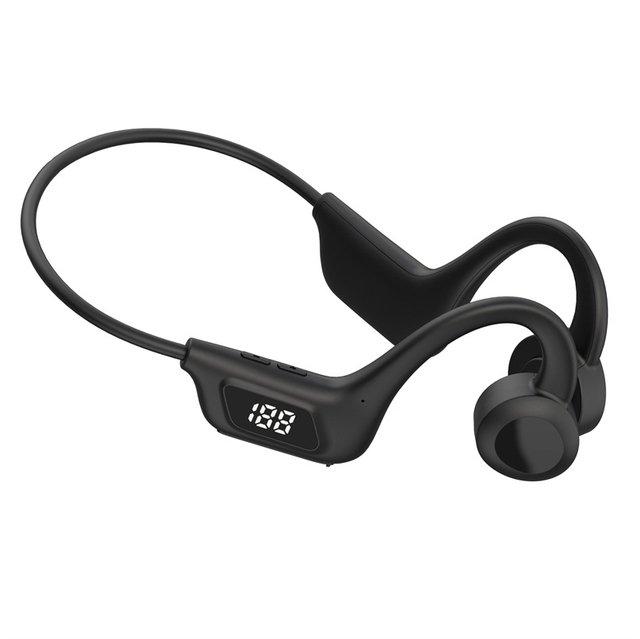
Noise-canceling headphones come in several types, each suited for different preferences and uses:
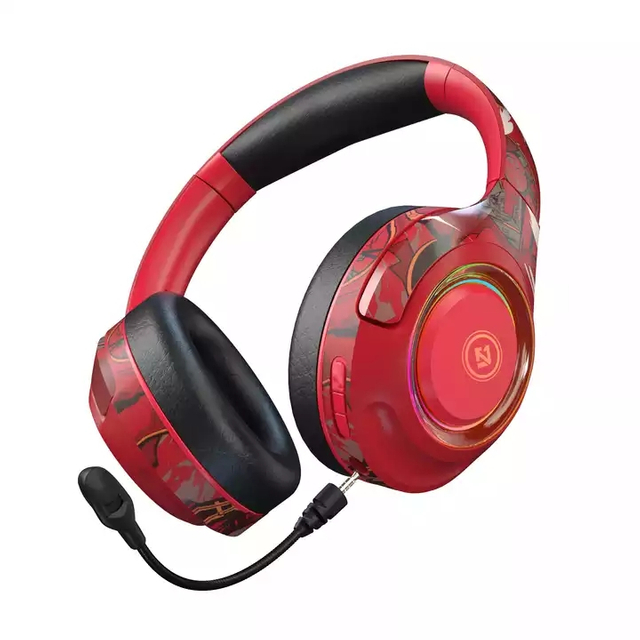
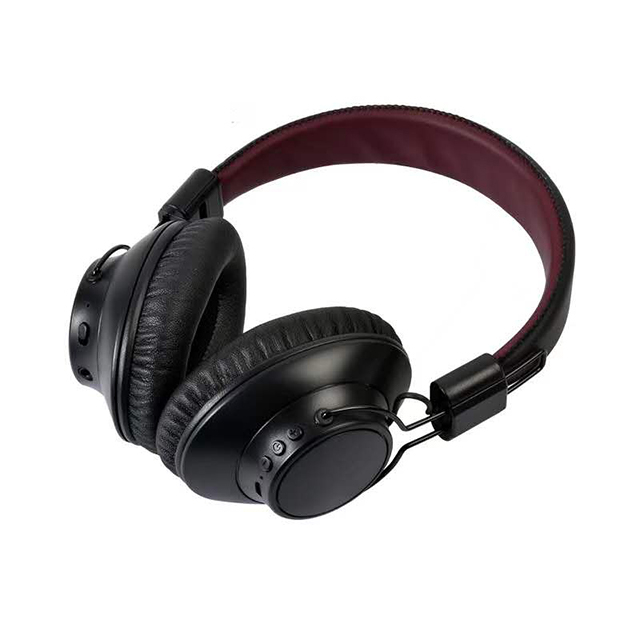
Over-Ear Headphones: These cover your entire ear, providing excellent noise isolation and comfort for long listening sessions. They often have larger batteries for longer noise-canceling performance but can be bulky.
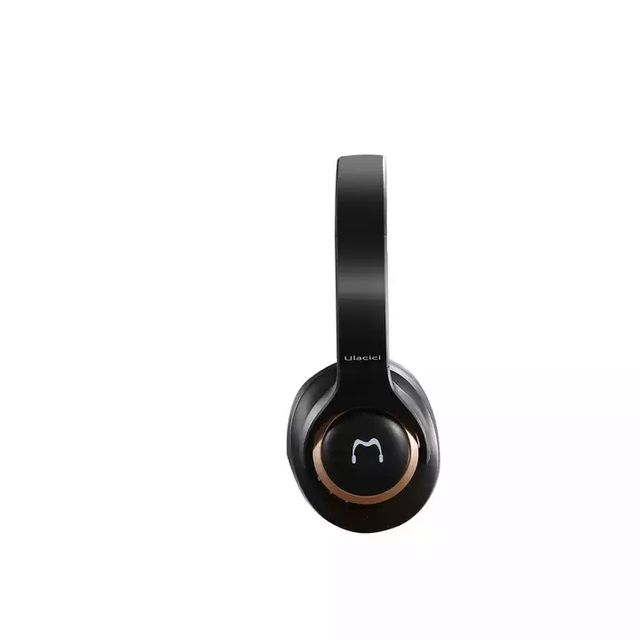
On-Ear Headphones: Resting on your ears rather than around them, these are lighter and more portable but may let in more ambient noise.
In-Ear Headphones (Earbuds): Compact and portable, these fit inside your ear canal. Many feature active noise cancellation but may cause discomfort over time if not fitted properly.
Headband-Style Sleep Headphones: Designed with soft fabric and flat speakers, these are perfect for side sleepers wanting noise cancellation without ear pressure.
Picking the right noise-canceling headphones depends on several key factors:
Noise Cancellation Quality: Look for headphones with advanced active noise cancellation (ANC) technology to effectively reduce ambient noise.
Comfort: Consider ear padding, weight, and fit, especially if you plan to wear them for hours.
Battery Life: Longer battery life means extended use without frequent charging, ideal for travel or work.
Sound Quality: Balanced audio with clear highs, mids, and bass enhances your listening experience.
Portability: If you travel often, lightweight and foldable designs are beneficial.
Connectivity: Wireless Bluetooth models offer freedom of movement, while wired options avoid battery concerns.
Additional Features: Look for built-in microphones for calls, touch controls, customizable sound profiles, and app support.
Price: High-end models cost more but usually provide superior performance and durability.
Several brands lead the market in noise-canceling headphones, known for quality and innovation:
Sony WH-1000XM5: Renowned for excellent ANC, superb sound quality, and long battery life.
Bose QuietComfort 45: Famous for comfort and effective noise cancellation, great for travel and office use.
Sennheiser Momentum 4 Wireless: Offers premium sound, stylish design, and strong ANC.
Apple AirPods Max: Known for seamless integration with Apple devices and high-fidelity audio.
Bose Sleepbuds II: Specialized for sleep, these provide noise masking with a comfortable fit.
Ozlo Sleepbuds®: Designed specifically for all-night comfort and sleep support with noise-masking sounds.
Each model has unique strengths, so consider your specific needs, like travel, work, or sleep, before deciding.
Tip: When choosing noise-canceling headphones for business use, prioritize models with reliable microphones and long battery life to ensure clear calls and uninterrupted productivity.
Noise-canceling headphones transform how you enjoy audio. By actively blocking out background noise, they let you hear music, podcasts, or calls clearly. This means you catch every detail, from subtle instrument notes to quiet dialogues in movies. Whether in a noisy café or on a busy street, these headphones create a private sound bubble. This enhanced clarity makes listening more immersive and enjoyable.
Using noise-canceling headphones can boost your productivity. When distractions fade, your brain can zero in on work or study tasks. This is especially helpful in open offices or crowded environments where noise often interrupts concentration. By reducing ambient sounds, these headphones help you stay in the zone longer. Many users report feeling less stressed and more efficient during long work sessions.
Noise-canceling headphones can protect your ears from damage. Without them, you might raise volume levels to drown out loud surroundings, risking hearing loss. These headphones lower the need to crank volume, keeping sound at safer levels. By reducing exposure to loud noises, they help preserve your hearing health over time. This is crucial for anyone frequently exposed to noisy environments, like commuters or factory workers.
Tip: For business professionals, using noise-canceling headphones can improve call clarity and reduce fatigue during long meetings, enhancing overall communication effectiveness.
Using noise-canceling headphones for long periods, especially at high volumes, can harm your hearing. Sounds above 85 decibels may damage delicate hair cells in your inner ear. These cells don't grow back once harmed, causing permanent hearing loss. Even moderate volumes over many hours can cause tinnitus, a persistent ringing or buzzing in your ears. To protect your hearing, keep volume low—about the level of a soft whisper—and limit headphone use to necessary times, like falling asleep, rather than all night.
Wearing headphones for hours can cause pressure and discomfort, especially for side sleepers. Over-ear models press against the ear and pillow, leading to soreness or skin irritation. In-ear earbuds may dig into the ear canal, causing pain or inflammation. Ill-fitting headphones worsen these issues. Choosing lightweight, soft, and well-fitting headphones helps reduce discomfort. Also, adjusting your sleeping position or using pillows with ear cutouts can relieve pressure.
Noise-canceling headphones block outside sounds, which can be risky. You might miss important noises like alarms, smoke detectors, or someone calling for help. This lowered awareness is a safety concern, especially for deep sleepers. To stay safe, use headphones with adjustable noise cancellation or set a secondary alarm device. Inform household members when using headphones overnight so they can assist in emergencies.
Tip: For business professionals, balance noise cancellation with situational awareness by choosing headphones that allow ambient sound passthrough during critical tasks or environments.
Travelers face noisy airplanes, busy airports, and crowded public transport. Noise-canceling headphones help create a peaceful bubble amid all this noise. Over-ear models with strong active noise cancellation (ANC) are popular for flights because they block engine sounds and chatter effectively. Long battery life is crucial here to last through long trips without needing a charge. Lightweight, foldable designs make packing easier. Some travelers prefer wireless headphones for freedom of movement, while others choose wired to avoid battery worries.
For example, the Sony WH-1000XM5 excels in travel thanks to its excellent ANC and comfort. Bose QuietComfort 45 also remains a favorite for travelers due to its balance of noise cancellation and comfort. Noise-canceling headphones can also reduce travel fatigue by lowering stress caused by constant noise exposure.
In offices, especially open-plan spaces, noise-canceling headphones improve focus by cutting out distractions like chatter, typing, or printer sounds. Over-ear headphones with good ANC and clear microphones work well for calls and virtual meetings. Comfort matters here since professionals wear them for hours. Features like touch controls and customizable sound profiles add convenience.
Wireless models are preferred for flexibility, allowing movement without cords. Battery life should cover a full workday. Brands like Sennheiser Momentum 4 Wireless and Bose QuietComfort 45 are popular for their balance of sound quality, noise cancellation, and comfort.
Using these headphones helps workers concentrate, reduces stress, and can improve productivity. For business calls, clear microphone quality ensures communication is smooth and professional.
Sleep environments often have disruptive noises like snoring, traffic, or neighbors. Noise-canceling headphones can mask these sounds, helping users fall asleep faster and enjoy deeper sleep. However, comfort is key since bulky headphones can cause pressure and discomfort, especially for side sleepers.
Specialized sleep headphones exist, such as headband-style designs with flat speakers or ultra-soft earbuds like Ozlo Sleepbuds®. These are designed to stay in place all night without causing pain. Wireless models with long battery life and gentle noise-masking sounds are ideal. Some even offer biometric sensors for sleep tracking.
Using headphones for sleep requires caution: keep volume low to avoid hearing damage and take breaks to prevent ear infections. Pillows with ear cutouts or dual pillow setups can reduce ear pressure.
Tip: For business travelers, choose noise-canceling headphones that combine excellent noise cancellation, long battery life, and a high-quality microphone to ensure clear calls and uninterrupted work on the go.
Listening at a safe volume is crucial to protect your hearing. Experts recommend keeping the volume below 60% of the maximum level on your device. Ideally, aim for a volume where you can still hear someone speaking nearby without raising your voice. This usually falls around 30 to 40 decibels, similar to a soft whisper. Avoid cranking the volume to drown out background noise, as this can cause permanent damage to your inner ear hair cells.
Many devices and apps offer volume limit settings to help you stay within safe levels. Use these features to prevent accidental exposure to loud sound. Also, try to avoid listening at high volumes for extended periods. Follow the "60-60 rule": no more than 60 minutes at 60% volume before taking a break.
Keeping your headphones clean is essential to avoid ear infections and skin irritation. Earwax, sweat, and dirt can build up on earbuds and headphone cushions, creating a breeding ground for bacteria. Regularly wipe down your headphones with a soft, dry cloth or alcohol-based wipes. For in-ear models, clean or replace silicone tips often to prevent buildup.
Avoid sharing your headphones with others to reduce the risk of cross-contamination. Also, make sure your ears are dry before using headphones, especially after showering or exercising. Moisture trapped inside the ear canal can lead to infections like swimmer’s ear.
Wearing noise-canceling headphones continuously can trap heat and moisture, increasing discomfort and infection risk. Give your ears time to breathe by taking breaks every hour or so. Remove your headphones during these pauses to allow airflow and reduce pressure on your ears.
If you use headphones to fall asleep, consider removing them once you’re asleep or use devices with sleep timers that automatically shut off after a set time. Alternating headphone use with other noise-reducing methods like white noise machines or earplugs can also help reduce ear strain.
Tip: For business professionals, setting volume limits and scheduling regular headphone breaks can prevent hearing fatigue and maintain productivity during long workdays.
White noise machines create a steady, soothing sound that masks background noise. Unlike headphones, they don’t require wearing anything on your ears, making them a comfortable choice for long use or sleep. These machines produce sounds like rainfall, ocean waves, or static noise that help drown out distractions. They’re great for offices, bedrooms, or any noisy environment.
Some models offer customizable sound profiles and timers to turn off automatically after you fall asleep. Plus, they avoid risks tied to headphone use, like ear pressure or hearing damage. White noise machines are ideal for people who want noise reduction without the hassle of wearing headphones.
Improving your room’s soundproofing is a long-term way to reduce noise. Simple steps include:
Adding heavy curtains or acoustic panels to walls and windows
Sealing gaps around doors and windows with weatherstripping
Using thick rugs or carpets to absorb sound
Rearranging furniture to block noise sources
These measures lower noise levels without needing devices on your ears. They work well for home offices, bedrooms, or shared spaces. Soundproofing can also improve overall comfort and privacy.
Earplugs are a small, affordable alternative for noise reduction. They fit directly into the ear canal to block out sound passively. Soft foam or silicone earplugs provide good noise isolation, especially for sleeping or studying. They don’t need batteries and are easy to carry.
However, earplugs can cause discomfort if worn too long or inserted incorrectly. Proper hygiene is essential to avoid ear infections. Some people find earplugs less effective against low-frequency noises compared to active noise cancellation. Still, they offer a simple solution when you want to reduce noise without electronics.
Tip: For B2B professionals working in noisy environments, combining soundproofing improvements with white noise machines can enhance focus and comfort without relying solely on headphones.
Noise-canceling headphones offer varied styles, from over-ear to in-ear, catering to different needs. Key considerations include noise cancellation quality, comfort, and battery life. Brands like Sony and Bose provide top models with features enhancing sound and productivity. Using headphones safely involves managing volume and taking breaks. Alternatives like white noise machines and soundproofing exist for non-headphone users. Progress Electronic Technology delivers innovative solutions in noise-canceling headphones, ensuring users enjoy immersive audio experiences while protecting their hearing health.
A: Wireless headphones are audio devices that connect to other devices via Bluetooth or other wireless technologies, offering freedom of movement without cords.
A: Wireless headphones with noise cancellation use active noise cancellation (ANC) technology to reduce ambient sounds, providing a clearer listening experience.
A: Wireless headphones are ideal for travel due to their portability, long battery life, and effective noise cancellation, reducing fatigue from constant noise exposure.
A: Consider noise cancellation quality, comfort, battery life, sound quality, portability, connectivity, additional features, and price when choosing wireless headphones.