Views: 0 Author: Site Editor Publish Time: 2025-10-18 Origin: Site


Do wireless headphones improve sleep quality? Many swear by noise-canceling headphones for peaceful rest. In this post, you'll learn about their benefits, risks, and alternatives.
Using noise-canceling headphones while sleeping can offer several advantages that help improve sleep quality and overall relaxation. Here are some key benefits:
Noise-canceling headphones actively block out unwanted sounds like traffic, snoring, or noisy neighbors. This creates a quieter environment, allowing you to fall asleep faster and stay asleep longer. By reducing distractions, these headphones help prevent sudden noises from waking you up, leading to more restful sleep cycles.
Listening to calming sounds or music through noise-canceling headphones can promote relaxation. Gentle audio such as white noise, nature sounds, or soft music helps soothe the mind, reducing stress and anxiety before bedtime. This calming effect can ease the transition from wakefulness to sleep, making it easier to unwind after a busy day.
Using noise-canceling headphones consistently can help establish a sleep routine. The act of putting on headphones and playing relaxing sounds signals your brain that it’s time to wind down. Over time, this cue can improve sleep habits and make it easier to fall asleep at regular times. It also helps block out environmental noise during naps or in unfamiliar places, supporting better rest wherever you are.
Note: Regular use of noise-canceling headphones can reinforce positive sleep habits but should be paired with safe volume levels and proper headphone care to maximize benefits.
Choosing the right type of noise-canceling headphones for sleeping makes a big difference in comfort and effectiveness. Different styles suit different sleeping habits and preferences. Here’s a breakdown of the main types:
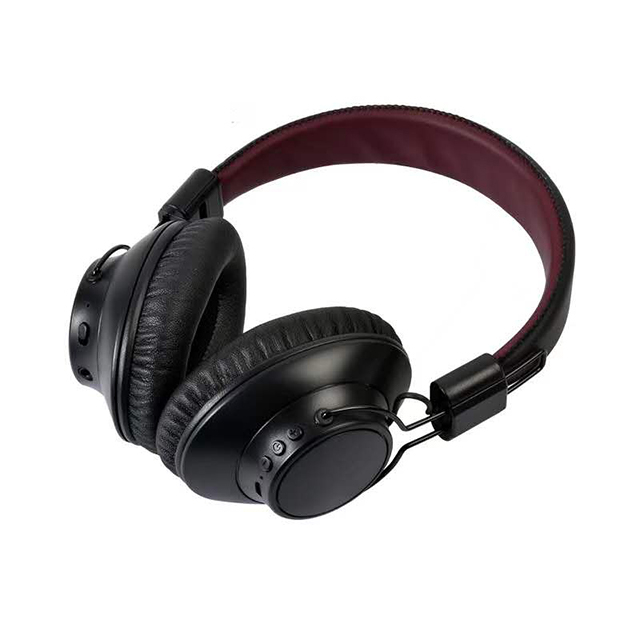
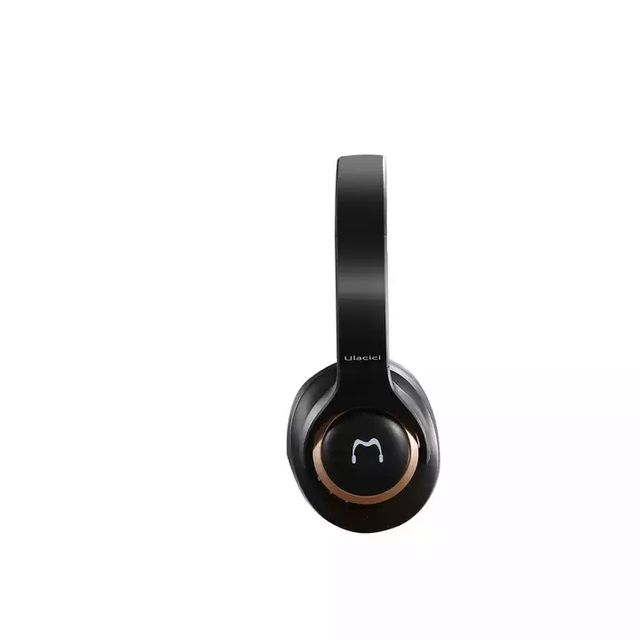
Over-ear headphones cover your entire ear, creating a seal that blocks outside noise well. They often offer the best noise cancellation and sound quality. However, their size and bulk can be uncomfortable for side sleepers. The pressure from the ear cups against your pillow and ear may cause discomfort or disrupt your sleep. Over-ear models work best for back sleepers or those who mostly sleep on their back and want premium sound and noise reduction.
Some newer over-ear headphones have slimmer designs or ultra-thin ear cups, which reduce bulk. These can be more comfortable but still may not suit everyone who sleeps on their side.
In-ear headphones fit directly inside the ear canal. They are small, lightweight, and less likely to cause pressure when lying down. Many people like earbuds for sleeping because they don’t stick out much, making side sleeping easier.
However, wearing in-ear headphones for long periods can lead to earwax buildup and increase infection risk. They can also trap moisture inside the ear canal. Choosing earbuds made from soft silicone or memory foam tips helps improve comfort and fit. It’s important to keep them clean and take breaks to let your ears breathe.
Headband headphones combine a soft fabric band with flat speakers embedded inside. This design eliminates pressure points on the ears because the speakers sit flat against the head. They’re excellent for side sleepers who toss and turn, as the band stays secure without pressing hard on the ears.
These headphones are usually lightweight and breathable, making them comfortable for all-night wear. Plus, they often come with adjustable bands to fit different head sizes. While the sound quality may not match high-end over-ear models, headband headphones balance comfort and noise reduction well.
Tip: For side sleepers, try headband-style or low-profile in-ear headphones to avoid ear pressure and improve comfort during sleep.
Using noise-canceling headphones while sleeping can improve rest but also carries some risks. Knowing these dangers helps you use headphones safely.
In-ear headphones block airflow in the ear canal. This causes earwax to build up faster than usual. Earwax protects ears but too much can cause discomfort, hearing problems, or a blocked feeling. Pushing earbuds deep can compact wax, making removal harder and sometimes needing medical help.
Trapped moisture from sweat or humidity inside headphones creates a breeding ground for bacteria. This can lead to ear infections like swimmer’s ear. Symptoms include itching, redness, pain, or discharge. Regular cleaning of headphones and giving ears breaks helps reduce infection risk.
Wearing headphones for hours, especially bulky over-ear types, can press on ears and cause soreness or irritation. Side sleepers feel this most because the ear presses against the pillow and headphone. Even in-ear models can cause discomfort if they fit poorly or dig into the ear canal.
Noise-canceling headphones block outside sounds, which is great for sleep but can be unsafe. You might miss alarms, smoke detectors, or someone calling for help. This risk is higher for deep sleepers. Using headphones with adjustable noise cancellation or pairing with a secondary alarm can improve safety.
Listening at high volumes for long times can damage inner ear hair cells permanently. Even moderate volume all night can cause issues like tinnitus, a ringing sound in ears. To protect hearing, keep volume low—around whisper level—and avoid wearing headphones all night.
Tip: Regularly clean your headphones and give your ears breaks to prevent infections and wax buildup while enjoying noise-canceling benefits safely.
Using noise-canceling headphones while sleeping can improve rest, but safety matters. Follow these best practices to protect your ears and get the most comfort.
Pick headphones designed for sleep comfort. Headband-style headphones or low-profile in-ear buds work well for side sleepers. Over-ear headphones may feel bulky or cause pressure. The right fit reduces discomfort and keeps headphones in place all night. Soft silicone tips or memory foam earbuds help prevent irritation. If you toss and turn, a snug but gentle fit is key.
Avoid wearing headphones all night. Limit use to the time it takes to fall asleep. Many headphones or apps have sleep timers that shut off audio automatically. This reduces risks like earwax buildup or hearing damage. Giving your ears a break lets them breathe and recover. Consider alternating nights using headphones and other noise-blocking methods.
Keep volume low—about as loud as a whisper or soft background music (30 to 40 decibels). High volume can damage hearing over time, even during sleep. If unsure, test by seeing if someone can talk to you nearby without raising their voice. Using volume-limiting settings or apps helps prevent accidental loudness. Gentle sounds also avoid disrupting your sleep cycle.
Wearing headphones continuously traps heat and moisture, raising infection risk. Remove headphones once asleep or after falling asleep. Avoid using them right after a shower or in humid conditions. Regular breaks help keep ears dry and healthy. If you notice itching or discomfort, pause headphone use and clean your ears gently.
Dirty headphones harbor bacteria and earwax. Wipe them with a soft cloth after each use. Use alcohol-based wipes to disinfect ear tips or cushions. Replace worn or discolored parts regularly. Avoid sharing headphones to reduce infection risk. Clean gear lasts longer and feels better against your skin.
Tip: Use headphones with built-in sleep timers and volume limiters to protect your hearing and ensure comfortable, safe use throughout the night.
If noise-canceling headphones aren't your best fit for sleeping, several alternatives can still help you enjoy peaceful rest without the risks or discomfort.
White noise machines create a steady, soothing sound that masks disruptive noises like traffic, snoring, or neighbors. Unlike headphones, they don’t touch your ears, so there’s no risk of earwax buildup or infections. These devices come in various styles, from compact travel-sized units to larger models with customizable sounds like rain, ocean waves, or fan noise. White noise machines help many people fall asleep faster and stay asleep longer by drowning out sudden sounds that might otherwise wake them.
Improving your bedroom’s sound insulation can reduce noise pollution naturally. Simple steps include:
Installing heavy curtains or blackout drapes to absorb sound.
Using weather stripping or door sweeps to seal gaps around doors and windows.
Adding rugs or carpets to reduce floor noise.
Placing bookshelves or soft furniture against walls to dampen sounds.
These changes don’t require wearing anything on your ears and create a quieter environment for better sleep. While soundproofing takes some effort and investment, it offers a long-term solution without the health concerns tied to headphone use.
Earplugs are a low-cost, effective way to block noise during sleep. Soft foam or silicone earplugs mold to your ear canal, reducing sound levels significantly. They’re lightweight and less intrusive than headphones, making them comfortable for many side sleepers. However, earplugs can cause earwax buildup or irritation if used continuously without breaks. It’s important to clean reusable earplugs regularly or dispose of single-use ones properly to maintain ear hygiene.
Tip: When choosing an alternative to noise-canceling headphones, consider your comfort, the noise level you need to block, and any potential ear health impacts to find the best fit for your sleep environment.
Sleeping with noise-canceling headphones offers benefits like improved sleep quality and relaxation but carries risks such as earwax buildup and infection. For safe use, choose comfortable designs, limit usage time, and maintain low volume levels. Consider alternatives like white noise machines or soundproofing. Progress Electronic Technology provides innovative noise-canceling headphones that enhance sleep without compromising safety, offering a valuable solution for those seeking restful nights.
A: Yes, you can sleep with wireless headphones, particularly noise-canceling ones, to block unwanted sounds and promote relaxation. Choose comfortable designs like headband-style or low-profile in-ear headphones.
A: Wireless headphones provide freedom of movement and eliminate cords that can tangle during sleep. They offer noise cancellation to create a peaceful environment, improving sleep quality and reducing stress.
A: Wireless headphones vary in price. Budget-friendly options are available, but investing in quality models ensures better noise cancellation and comfort for sleeping.
A: Wireless headphones help establish a sleep routine by signaling the brain it's time to wind down, using calming sounds to improve sleep habits over time.